20 Years of Stone Ridge Technology
Our Founder and CEO, Vincent Natoli writes about this important milestone and the sustained success and stability of SRT and ECHELON.
Our Founder and CEO, Vincent Natoli writes about this important milestone and the sustained success and stability of SRT and ECHELON.
2005–2010
Beginnings in Rural Maryland
I founded Stone Ridge Technology (SRT) in 2005 in Bel Air, Maryland, after several years working as a computational physicist at Exxon Corporate Research. During that time, I spent a year with a group in Houston, Texas, that was developing a new reservoir simulator, which gave me an early appreciation for the computational demands of large-scale reservoir modeling. I had long been drawn to physics, mathematics, and scientific computing, and founding SRT was a way to continue that work in an independent setting, tackling a broader range of applied problems for different clients. In the beginning, SRT operated as a small consultancy, taking on challenging computational projects across science and engineering. We worked on seismic imaging, sparse linear algebra, DNA sequence alignment, and financial modeling for government and industry clients.
These were transformative years for high-performance computing. The industry was shifting from single-core to multicore processors, and many production codes had to be reconsidered. I became particularly interested in hardware accelerators and, for several years, focused on field-programmable gate arrays (FPGAs) and other specialized chips, building and optimizing kernels for demanding applications. When NVIDIA introduced CUDA and general-purpose GPUs became practical for scientific work, I began early collaborations to port seismic workloads to GPUs with major energy companies and service providers. Those efforts convinced me that GPUs were not just interesting devices but a transformational platform that would eventually reshape technical computing, including reservoir simulation.
ECHELON’s Technological Origins
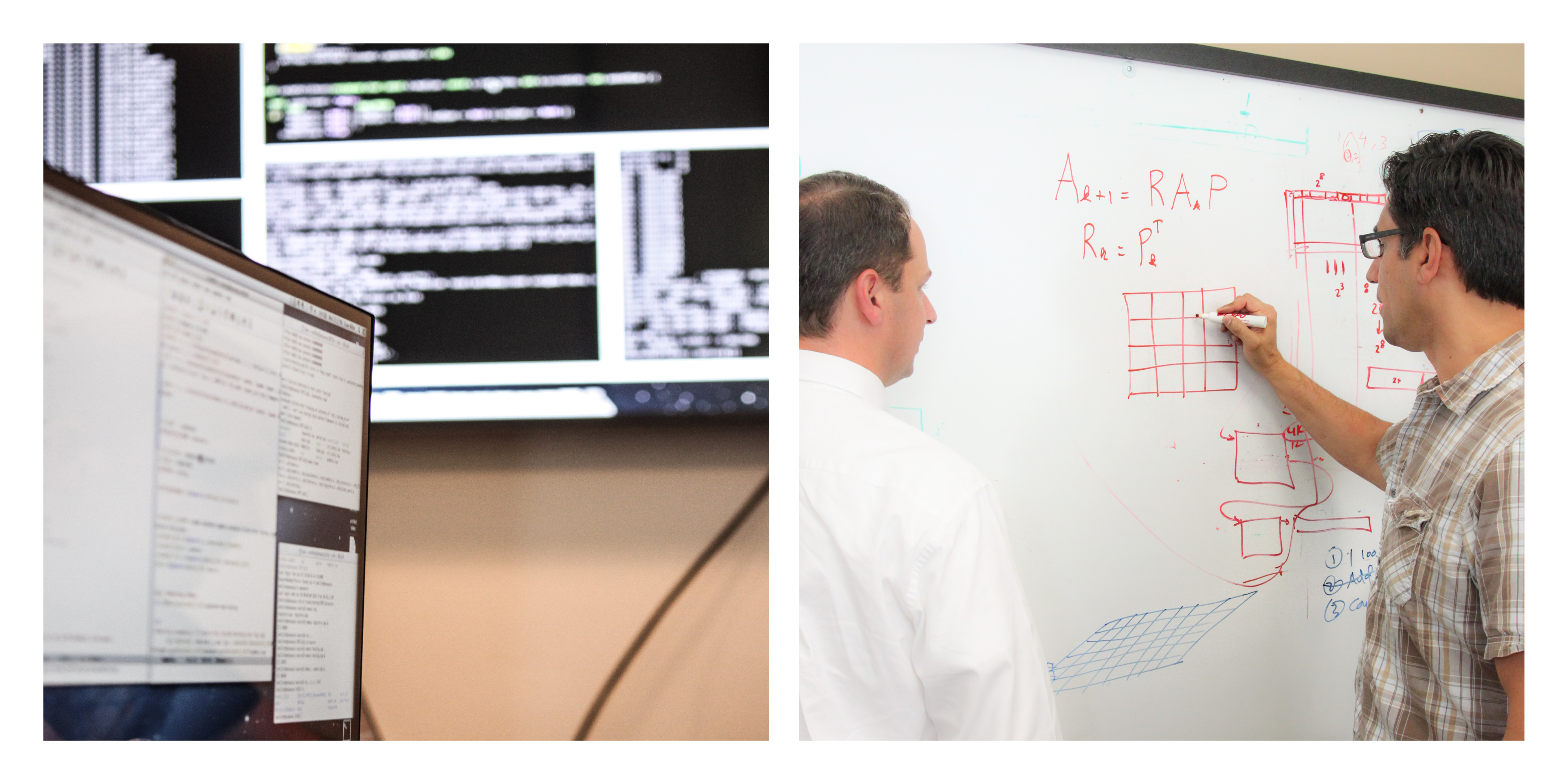
Between 2007 and 2010, the seeds of ECHELON were planted. The pivotal moment came in the spring of 2007, when we received a cold call from Marathon Oil asking for help with a reservoir simulation code one of their engineers had developed. Given my prior experience developing reservoir simulators, I saw this as an intriguing opportunity to apply modern computational techniques to a notoriously demanding problem. Around this time, Ken Esler joined SRT as its new CTO and took over the Marathon project. He reworked the linear solver design and ported critical components to GPUs. The resulting performance gains were so striking that they transformed my view of what might be possible.
SRT secured the IP rights to the solver, and the results of the Marathon work raised the possibility that a new kind of reservoir simulator might be needed, one built with GPUs at its core rather than added as an afterthought. At that stage, it was still an idea taking shape, but the experience convinced us that legacy code and incremental modernization would never fully exploit the performance potential of accelerators. Those early experiments, partnerships, and technical insights laid the foundation for what would become ECHELON and set the direction for SRT in the years that followed.
2011–2015
Building ECHELON with Marathon Oil
As the Marathon project progressed, the results from the new GPU-based solver made it clear that a partial or hybrid approach would never fully realize the potential of the hardware. The only credible path was a reservoir simulator built entirely around GPUs. We proposed to Marathon Oil that we build a completely new simulator from scratch, designed specifically for GPUs, and they agreed to the partnership. Marathon secured rights to use the code, while I ensured that SRT retained all commercial rights. That structure - partnering with clients to fund development while maintaining ownership - became a model for how the company would grow. It allowed us to scale technically without outside investment, staying fully independent while we pursued highly ambitious goals.
During these years, our group expanded with key hires, including Karthik Mukundakrishnan, Yongpeng Zhang, and Reza Ghasemi. Along with Ken, their contributions were instrumental as we began turning conceptual ideas into a real industrial simulator. The work with Marathon also brought us into contact with Jim Gilman, who became a long-term partner of SRT. I remember the energy inside the company at that time, and that same spirit still drives us today. We were a small team, completely committed to building something original and radically faster than anything else on the market. Marathon provided essential real-world models and feedback, and we iterated rapidly on ECHELON’s solver infrastructure, memory layout, communication strategy, and numerical stability. That culture of close collaboration, fast iteration, and ambitious engineering has remained constant at SRT and continues to guide us today as we extend ECHELON and explore new directions with AI and machine learning.
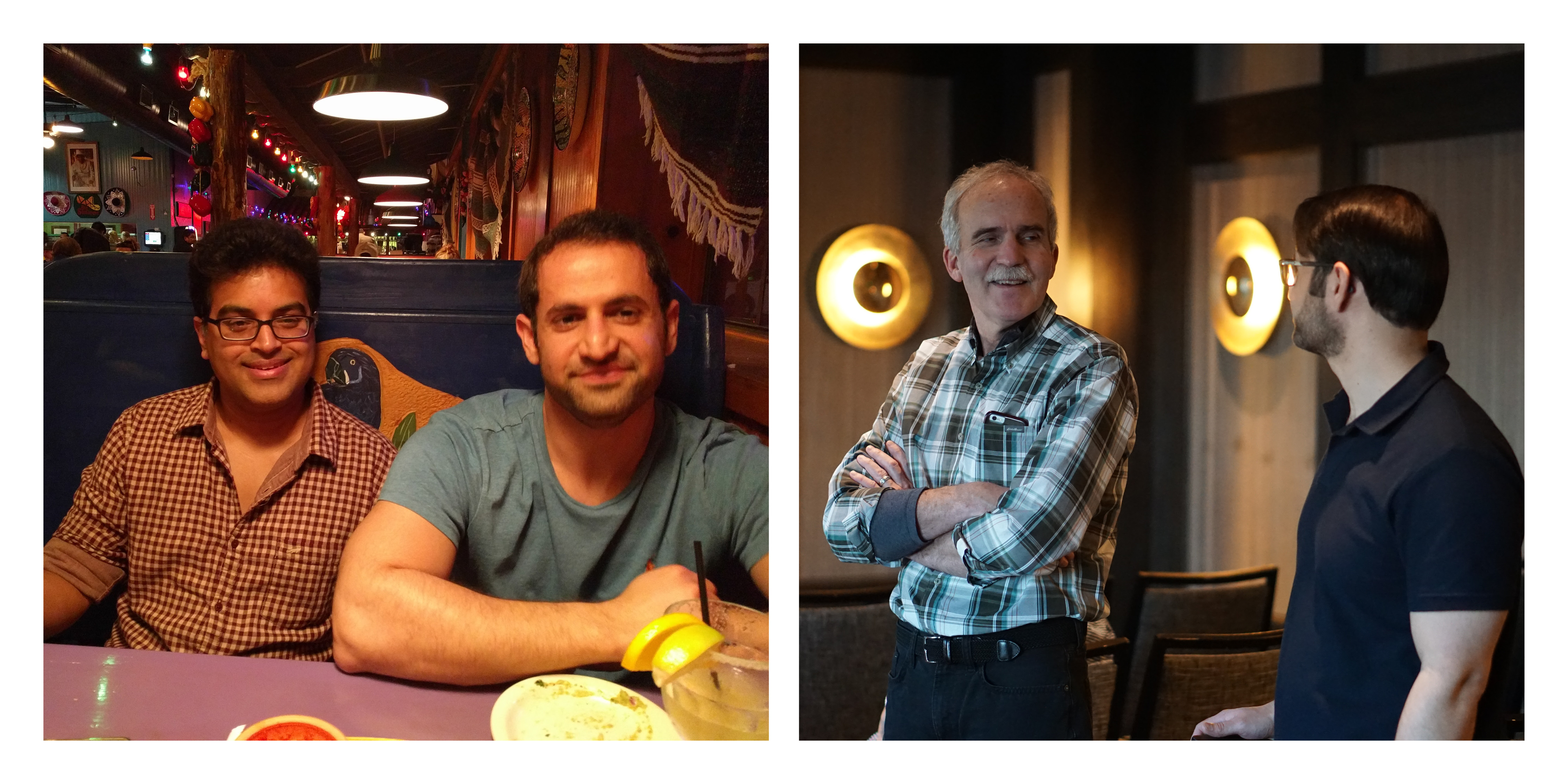
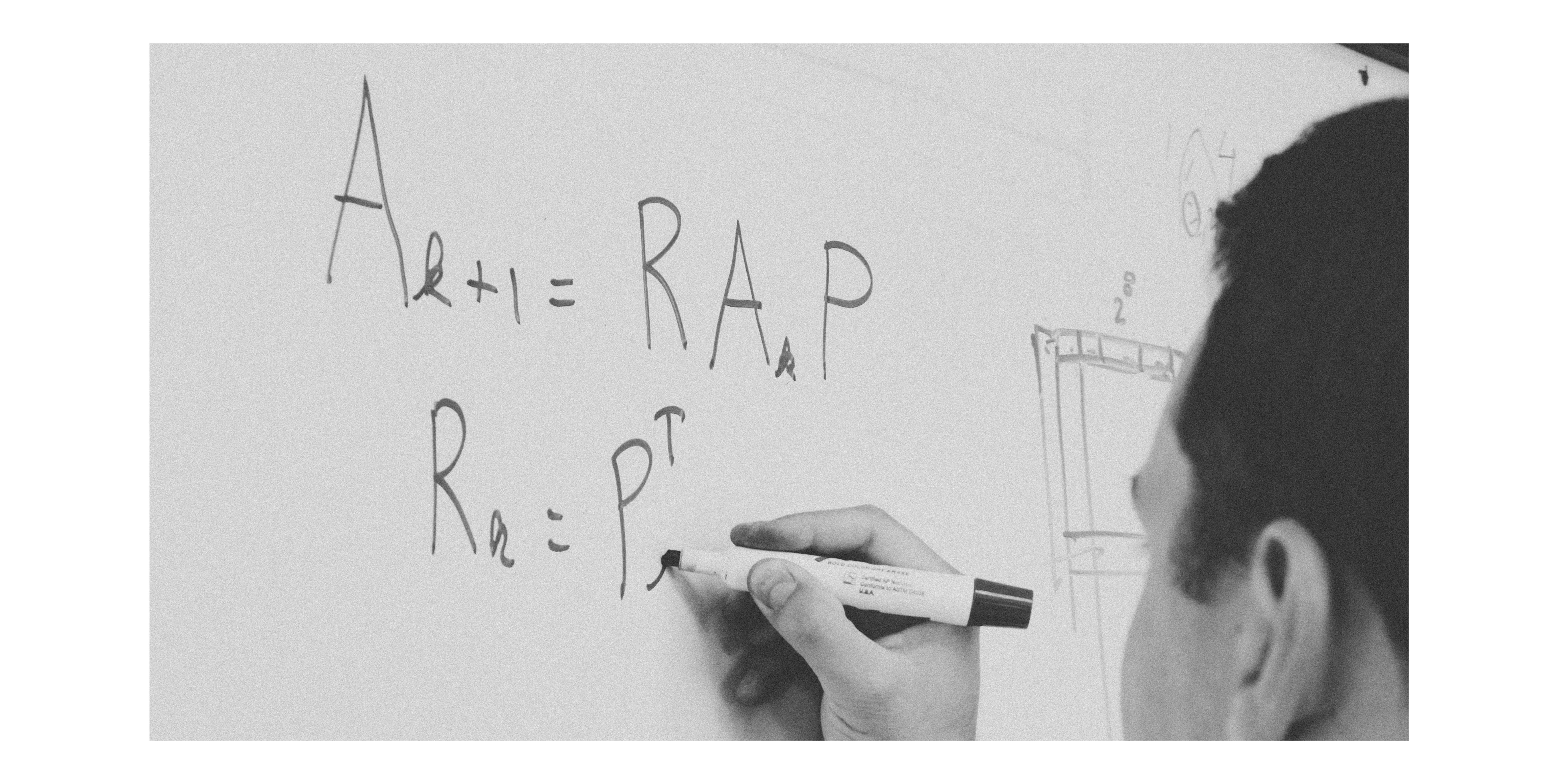
It was during this period that the design philosophy of ECHELON took shape. We would maximize the strengths of GPUs, keeping data resident on the device, minimizing communication, and rewriting key components such as sparse linear solvers to be fully accelerator-native. Because we had no legacy CPU code to protect, we could rethink everything from scratch: data structures, algorithms, solver organization, communication patterns, and memory pathways. That freedom became one of our greatest advantages and set ECHELON on a different path from traditional simulators.
From Consultancy to GPU-Native Product Company
By 2013, with NVIDIA’s CUDA maturing and GPUs rapidly increasing in capability, we reached a turning point. ECHELON had moved from concept to a serious development effort, and it was clear that splitting our attention across many different activities would slow us down. I decided to drop all other lines of work, including our FPGA efforts, and commit the company entirely to GPU-based simulation. I had become convinced that GPUs represented the future of high-performance scientific computing and that ECHELON was the vehicle through which SRT would pursue that future. That decision was one of the defining moments in the company’s history.
Around this time, we secured another major agreement, this time with Schlumberger (SLB). They were interested in accelerating their thermal solver in Intersect™ using GPUs. After a direct head-to-head comparison between NVIDIA’s AMGX and our GPU-enabled algebraic multigrid solver, GAMPACK, they selected GAMPACK based on its speed, scalability, and flexibility. This was a powerful confirmation that our architectural approach had merit not just in our own code, but in the most competitive commercial environments.
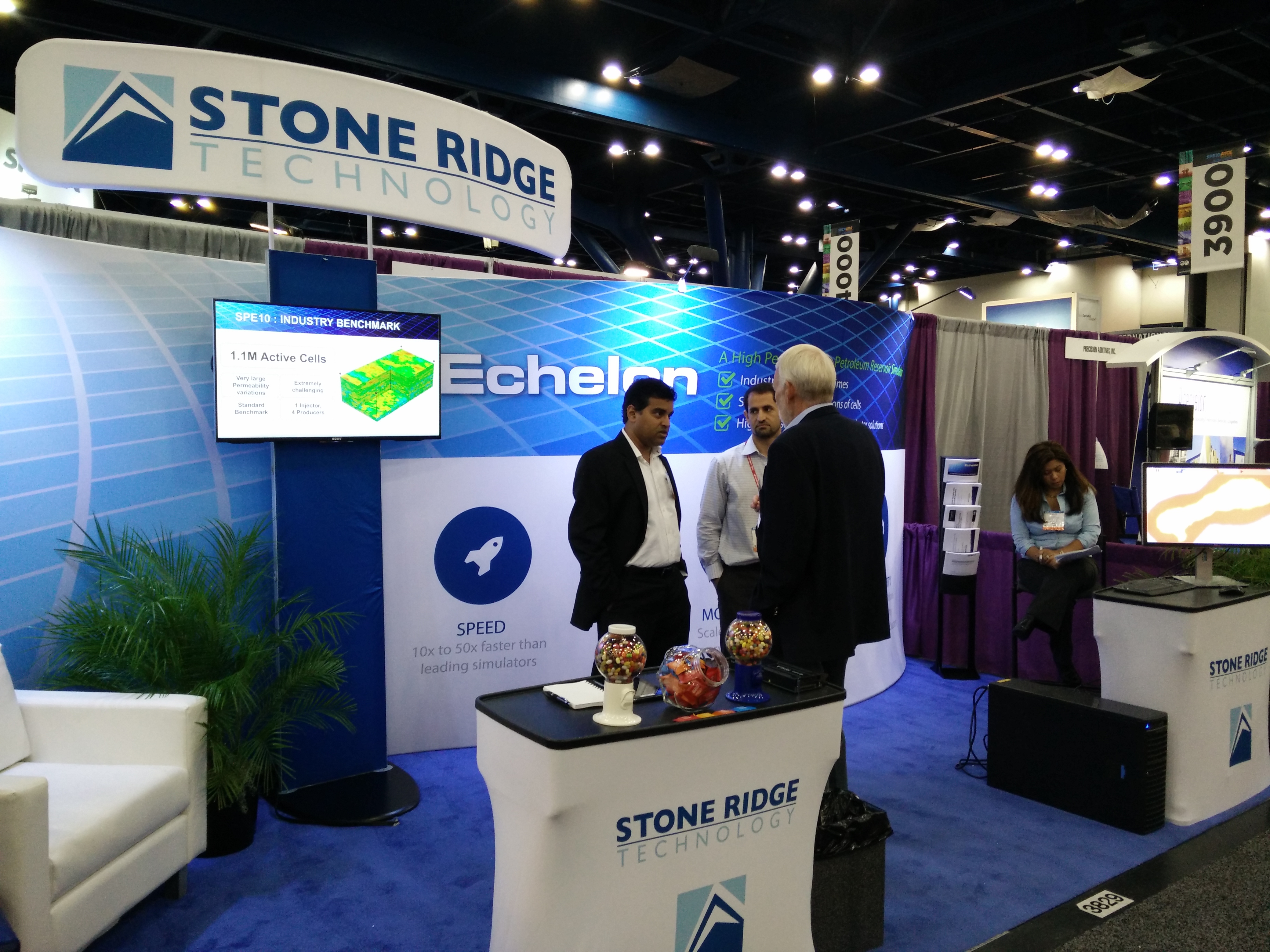
By 2015, after nearly a million lines of C++ and CUDA, ECHELON had become commercially viable. Marathon had been testing ECHELON continuously on real-world field models and reported exceptional performance gains of ten to fifty times over established CPU-based simulators. When we formally launched ECHELON in 2015, it immediately captured attention. We presented it first to the NVIDIA energy team, who were surprised and delighted by how aggressively we had pushed their hardware, and then to my former colleagues at ExxonMobil. At the time, most industry players were still skeptical about running mission-critical simulation on GPUs, which were widely viewed as “gaming chips.” But we had proven to ourselves - and increasingly to others - that a GPU-native architecture was not only feasible but fundamentally superior.
Those early years were filled with conviction, risk, long nights of development, and the excitement of seeing a new hardware architecture match our ambition. Looking back, the choices we made then and the partners who trusted us laid the foundation for everything that followed.
2016–2020
The Billion-Cell Breakthrough
In 2016, a large domestic energy company issued a press announcement describing the successful simulation of a billion-cell reservoir model on the entire NCSA supercomputing cluster, using proprietary code across 22,400 compute nodes and a total of 716,800 processors. It was an impressive achievement, but it struck me as misaligned with where high-performance computing should be headed. Why rely on a football-field-sized CPU cluster to solve a problem that could be handled by a few GPU nodes occupying only a fraction of the space, power, and cost? The industry was still thinking in terms of scaling hardware rather than redesigning software.
For us, that announcement crystallized an important opportunity. ECHELON had been conceived from the beginning as a GPU-native simulator that anticipated the way future hardware and software would evolve: denser nodes, accelerator-centric architectures, and codes designed around them rather than adapted after the fact. Building and running our own billion-cell model with ECHELON would allow us to demonstrate that vision in concrete terms, testing both the scalability of the architecture and its practical performance on a truly large-scale field problem.
Shortly thereafter, SRT stunned the industry by running a fully implicit, billion-cell black-oil model in just 92 minutes using 30 IBM POWER8 nodes and 120 Tesla P100 GPUs. This was an order of magnitude less hardware and execution time than any CPU-based approach at the time. It demonstrated conclusively that GPU-native reservoir simulation was not a niche, experimental idea - it was the future. On today’s hardware, we could simulate that same billion-cell model on a single 8-GPU node in roughly the same time.
The Eni Partnership and Industry Momentum
These years were also significant for partnerships and momentum. In the Spring of 2016, while I was in Florence taking an immersion Italian course, I was invited to Milan by Eni, the Italian Energy company, to give a talk about ECHELON. The response was very positive, though without immediate follow-up. A few months later, Eni invited me back, and that meeting began what would evolve into SRT’s most important collaboration. After an extensive proof-of-concept period, Eni licensed ECHELON in 2018 while allowing SRT to retain full commercial rights. We entered into a mutual development agreement that outlined an ambitious plan to industrialize ECHELON into a business-critical simulator.
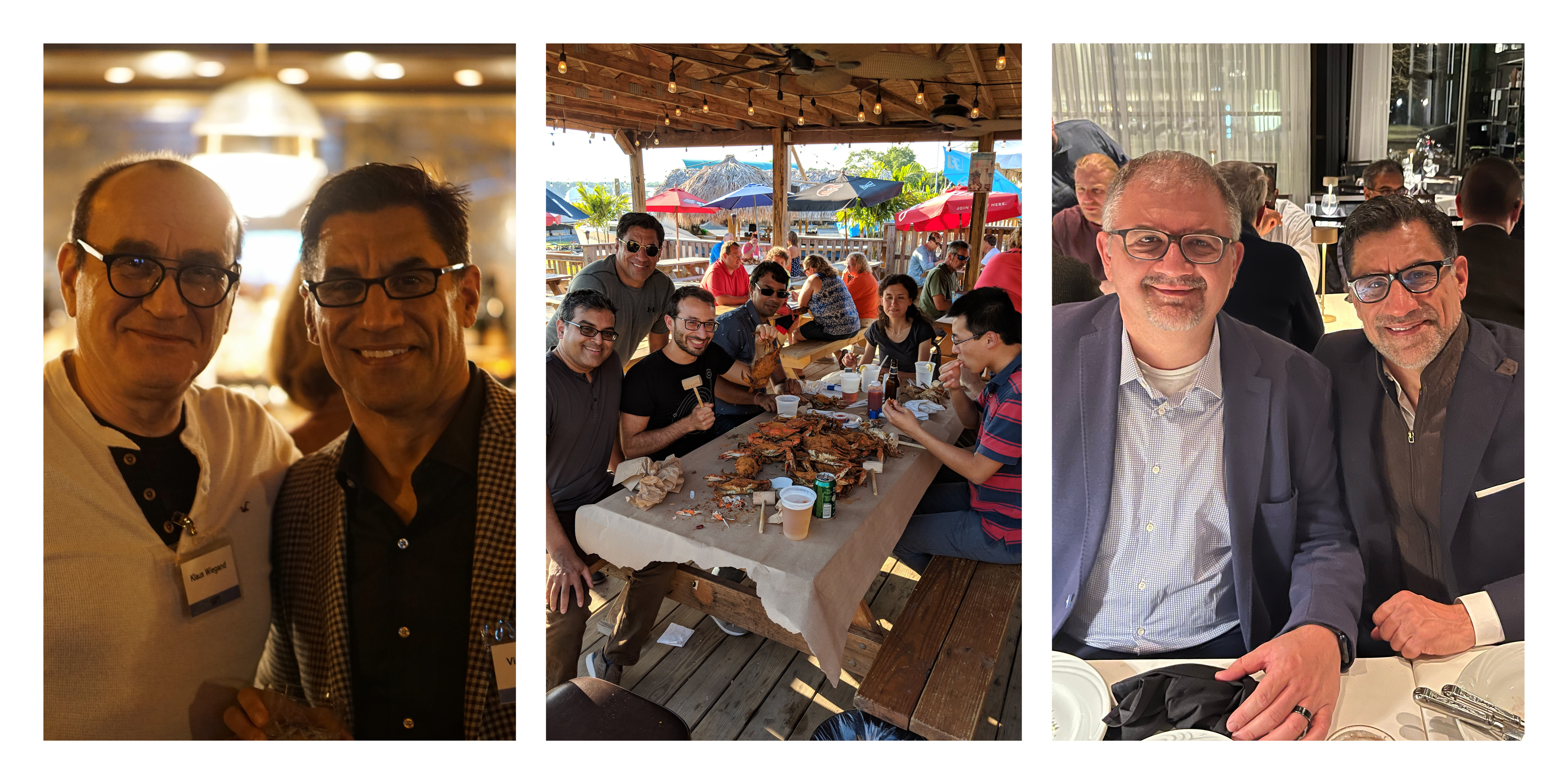
In 2019, Eni demonstrated ECHELON’s performance by running 100,000 ensemble realizations in 15 hours, something previously thought impossible. Around this time, our team expanded again with the hiring of Leonardo Patacchini, Klaus Wiegand, Timur Garipov, Tiziano Diamanti, and Erik Greenwald. These years were a period of enormous growth, validation, and technical accomplishment.
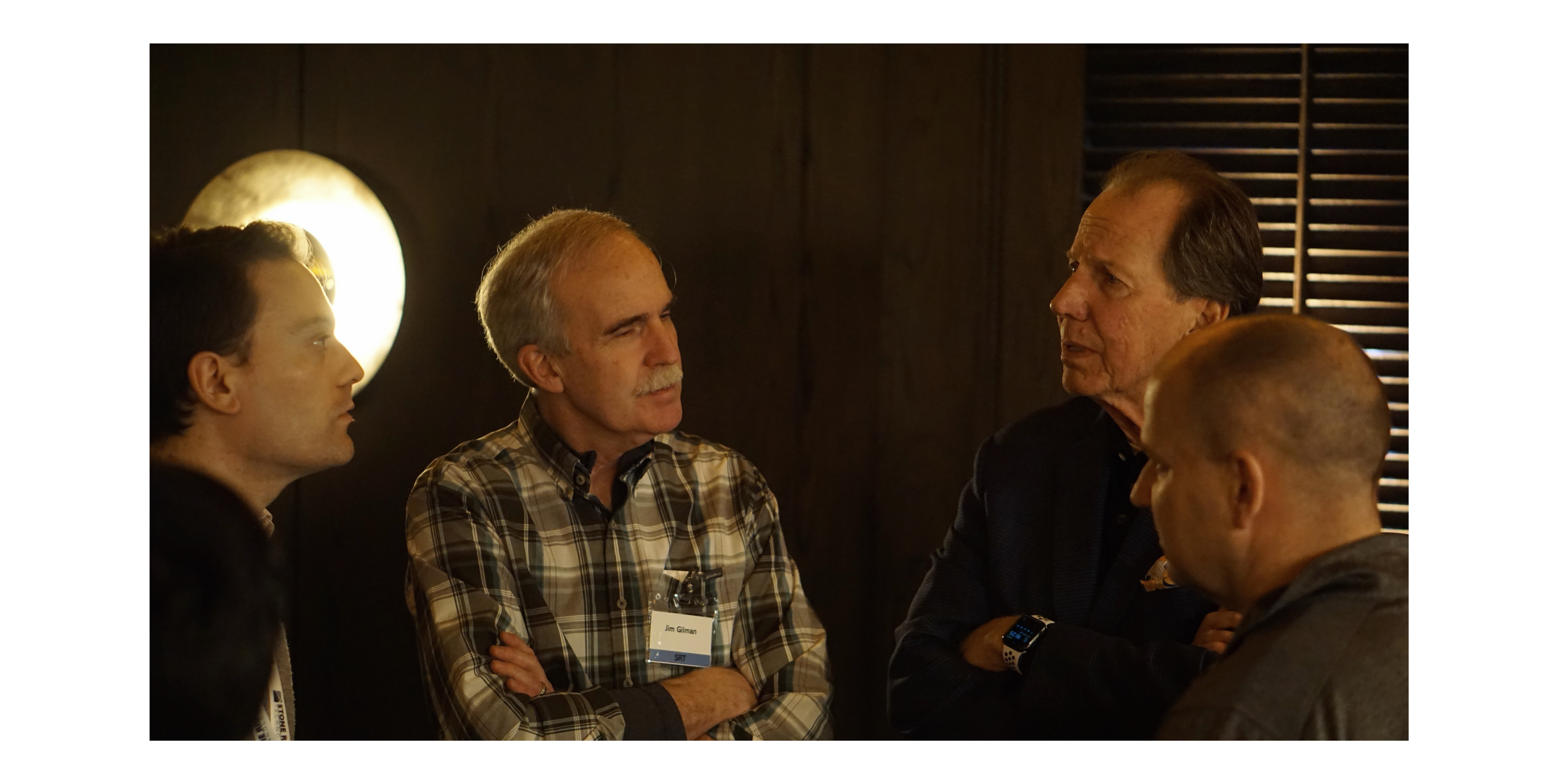
In early 2020, we held the first ECHELON User Group Meeting at the Sagamore Pendry Hotel in Maryland. The event, organized by our new director of communications, Emily Fox, brought together clients, partners, NVIDIA representatives, and many others. It served as a forum for knowledge exchange and collaborative planning. It confirmed to me just how far ECHELON had come and how strong the community around it had become.
2021–2025
Launch of the ECHELON Consortium
In early 2021, upon the successful completion of the development agreement, Eni and SRT launched the ECHELON Consortium, a structure through which leading energy companies could organize and contribute to the shared mission of advancing reservoir simulation on the industry’s fastest GPU-native engine. Eni and SRT became founding members, and the consortium model proved to be an effective way to align priorities, share insights, and accelerate development across a broad user community.
During these years, in close collaboration with Eni, we continued to build and refine major ECHELON features. Together, we designed and implemented an impressive list of features.
Joint design discussions, feature scoping, and systematic acceptance testing with Eni’s engineering teams ensured that each capability addressed real field requirements. We also delivered scalability enhancements that enabled sophisticated ensemble workflows. These additions strengthened ECHELON’s role not only as a fast simulator but as a comprehensive platform capable of handling the most complex field developments. The collaboration was supported by an exchange of developers, with SRT engineers working in Milan and Eni developers working alongside our team in Maryland. We added new team members, Mahmoud Bedewi, Mark Khait, Jose Pina, and Tong Chen to support ECHELON's momentum.
During this period, ECHELON’s adoption broadened beyond early partners, with companies such as Hess, Azule Energy, and QatarEnergy deploying ECHELON on real-world assets, reflecting market confidence in ECHELON across the globe.
With the arrival of new GPU generations such as the A100 and H100, ECHELON’s performance continued to scale efficiently. We routinely measured 3–6x speedups over competitive CPU-based products, confirming the strength of our GPU-native approach and the sustainability of our design for future hardware.
A major milestone came in June 2024 when we announced HIP support and full ECHELON certification for AMD’s MI210, MI250X, and MI300 GPUs. This was the culmination of significant engineering work and represented a major step toward hardware independence. I have always believed that clients should not be locked into a single vendor, and this achievement made ECHELON the first GPU-native reservoir simulator with true multi-vendor flexibility.
AI, Global Growth, and the Evolving Workflow
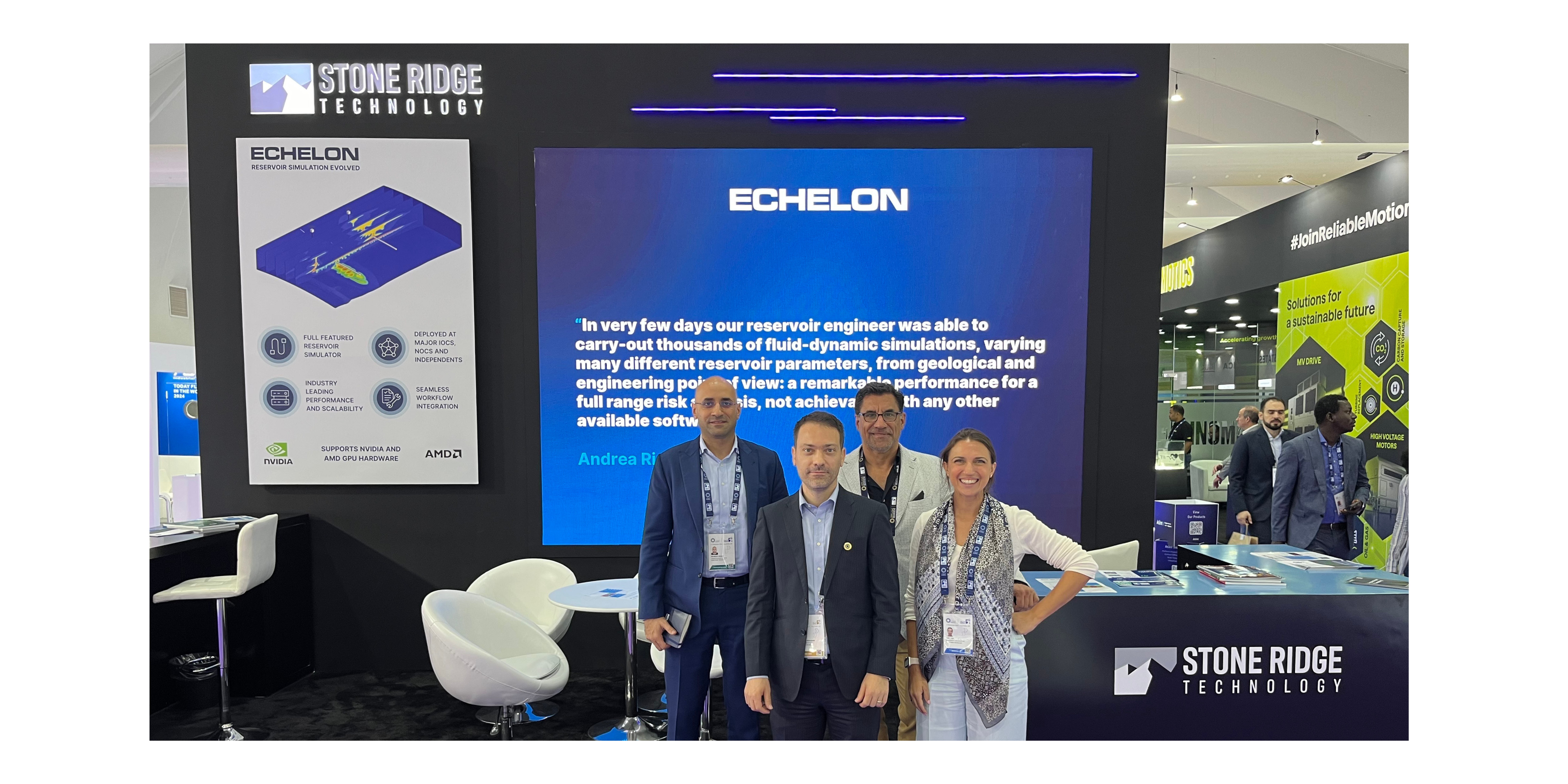
By 2024, SRT had expanded globally, with offices in five countries and representation in many more. Our clients were distributed across every major producing region, and our ability to provide local support strengthened considerably. At the same time, we broadened our work in AI and machine learning through two major initiatives. ENVOY, led by Klaus Wiegand, is our generative AI assistant explicitly designed for reservoir engineers. It helps users interpret ECHELON input files, understand model structure, diagnose issues, and navigate large ensemble workflows. In parallel, Karthik Mukundakrishnan led the development of a Scientific ML framework for reservoir-engineering proxies, built with neural operators, creating fast, physics-informed surrogates tightly coupled to ECHELON. Together, these projects reflect our commitment to pairing physics-based simulation with emerging AI tools to strengthen engineering workflows.
User Group Growth and Community Momentum
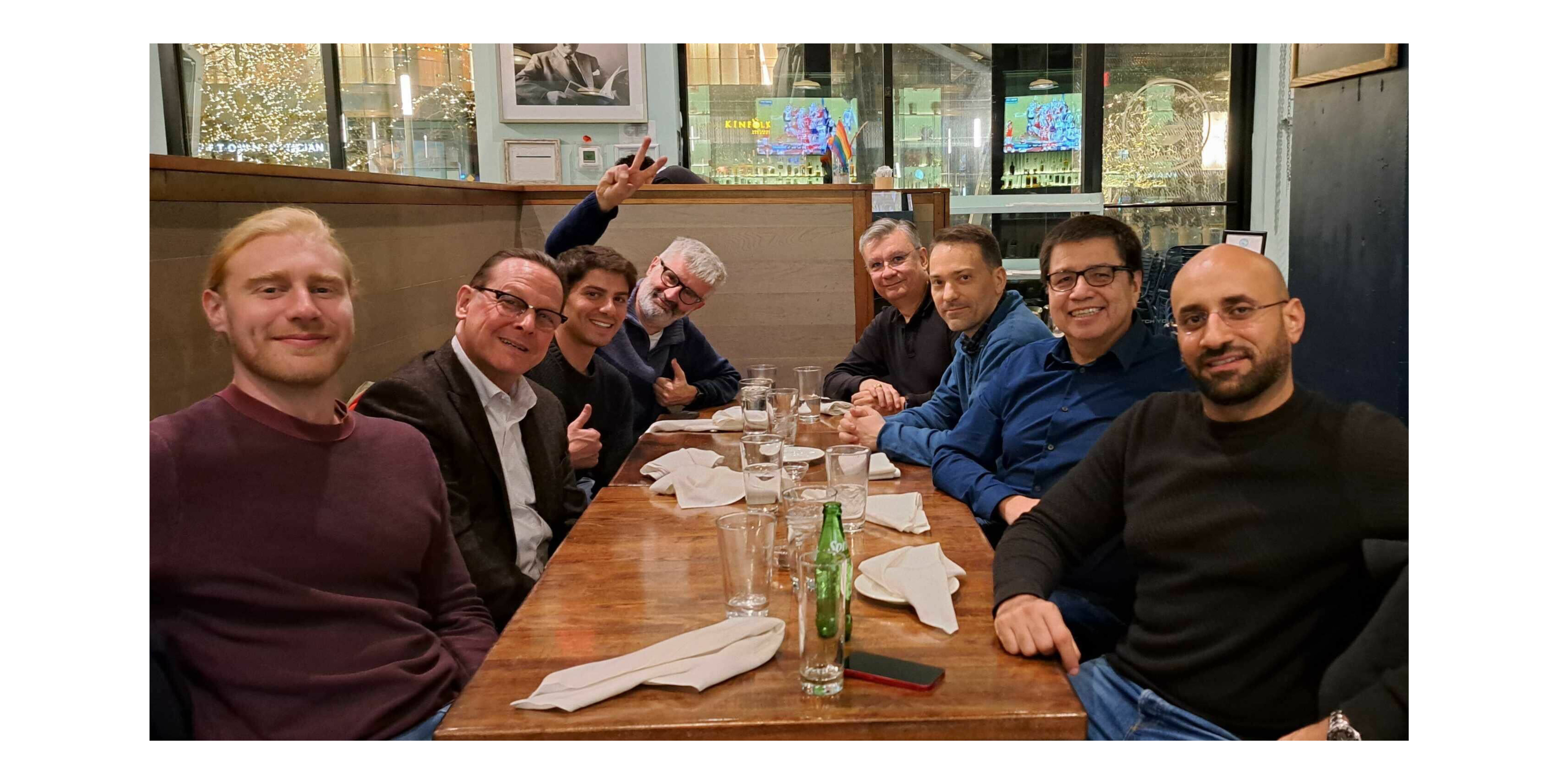
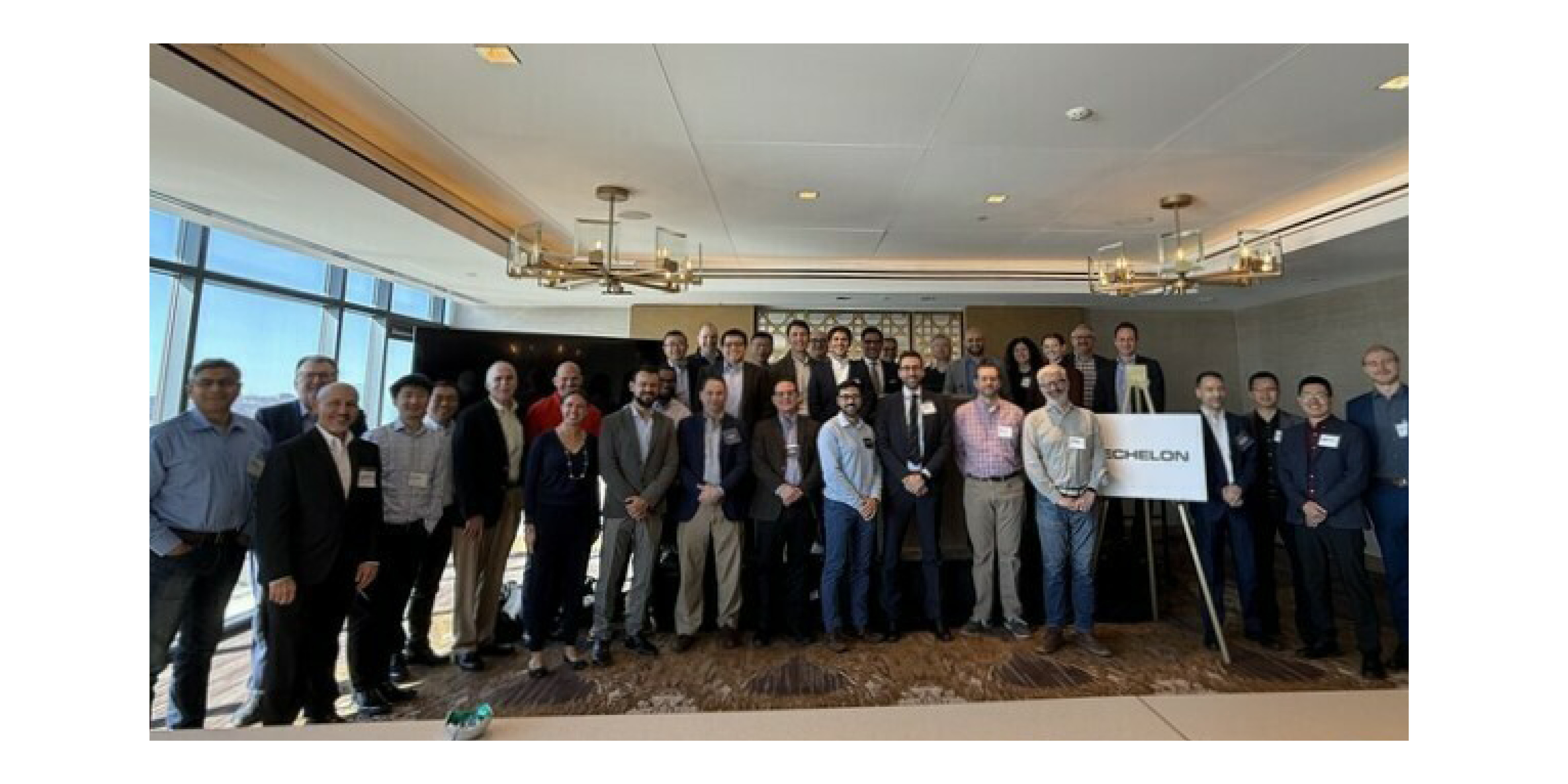
January 2025 marked the largest ECHELON User Group Meeting yet, held in Washington, DC, with participants from 15 energy companies. The event featured extensive discussions on CO₂ storage modeling, advances in multi-reservoir workflows, broader adoption of ensemble techniques, cloud deployment strategies, ECHELON’s scaling on new hardware, and the introduction of our AI assistant, ENVOY. The UGM reflected not only ECHELON’s maturity but the strong sense of community that has developed around it.
The Journey Ahead
When I look back, reservoir simulation once meant reserving data centers the size of football fields to run a small number of critical models. Today, those large clusters still exist, and cloud capacity continues to expand, but the way we use that hardware has changed dramatically. With hardware and software aligned by a GPU-native design, problems that once required thousands of CPU nodes for a single run can now be handled by a modest number of GPU nodes. We still use large clusters and cloud resources for peak demand, but their role has changed: instead of being consumed by a single large simulation, they now allow us to run ensembles, optimization loops, and uncertainty studies at scale. SRT has proven that leaner, faster, and more innovative workflows are possible without compromise. We have built ECHELON deliberately, carefully, and always in close collaboration with our users. Our culture prizes responsiveness, thoughtful engineering, and clear communication, values that have guided us since the very first line of CUDA code.
From our early collaboration with Marathon to the formation of the ECHELON Consortium, from the first GPU-accelerated prototypes to today’s global deployment of ECHELON and our growing AI initiatives, the arc of SRT’s story has been shaped by innovation, partnership, and an unwavering commitment to speed, performance, and robust software design. Twenty years in, I am very proud of what we have built together, and we are even more energized by what lies ahead. The journey continues, and the opportunities before us have never been greater.

Vincent Natoli
Vincent Natoli is the president and founder of Stone Ridge Technology. He is a computational physicist with 30 years experience in the field of high-performance computing. He holds Bachelors and Masters degrees from MIT, a PhD in Physics from the University of Illinois Urbana-Champaign and a Masters in Technology Management from the Wharton School at the University of Pennsylvania.